
Reiki is a form of alternative therapy that is based on the concept of life force energy. It is said that when the life force energy flows freely through the body, we experience physical health, emotional balance, and mental clarity. However, when this energy is blocked or out of balance, we experience physical illness, emotional distress, and mental confusion. Reiki aims to restore the balance of life force energy in the body to promote healing.
Reiki is a Japanese word that translates to “universal life energy”. It was founded by Mikao Usui in the early 20th century. Usui was a Japanese Buddhist who became interested in the teachings of Jesus Christ, specifically his healing abilities. Usui spent many years studying different spiritual practices, including Chinese medicine, meditation, and shamanism. Through his studies, Usui was able to develop a system of healing that he believed could be used by anyone, regardless of their religious beliefs.
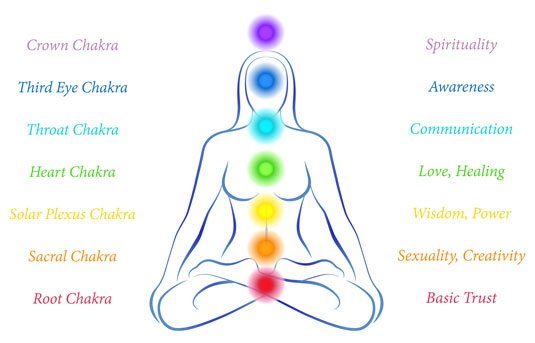
The practice of Reiki involves the laying on of hands. A practitioner will place their hands on or near a patient’s body, with the intention of channeling life force energy into the patient’s body. The practitioner may also use symbols or mantras to enhance the flow of energy. A Reiki treatment can be done while the patient is fully clothed and can last anywhere from 15 minutes to an hour.
While there is limited scientific evidence to support the effectiveness of Reiki, many people report feeling more relaxed and peaceful after a treatment. Some people use Reiki as a complementary therapy alongside conventional medical treatment, while others rely solely on Reiki as a form of healing.
In conclusion, Reiki is a holistic approach to healing that focuses on restoring the balance of life force energy in the body. While its effectiveness may be debated, many people have reported positive experiences with Reiki. If you are interested in trying Reiki, it is important to find a qualified practitioner who can guide you through the process.




 Love
Love Astrologer
 Dreams
 Life Coach
 Medium
 Numerologist
 Palm Reader
 Paranormal
 Past Life
 Tarot Reader