
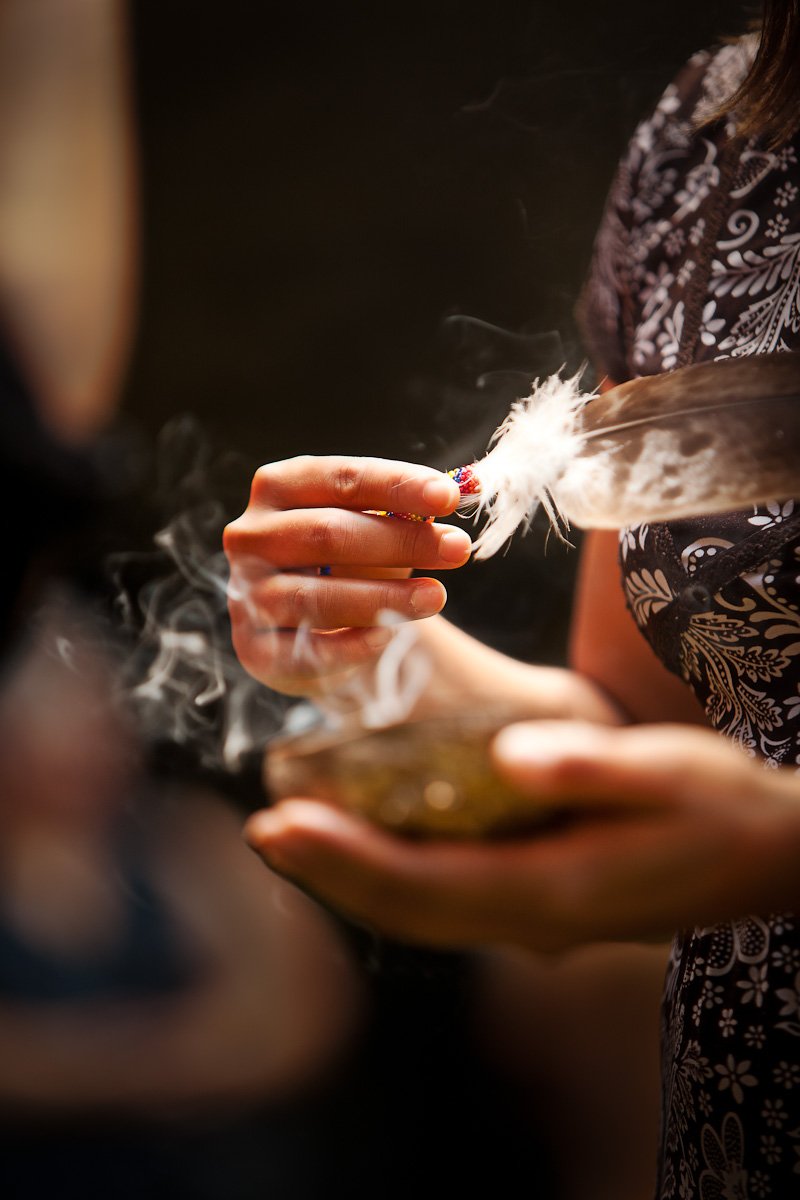
Smudging is a traditional practice with roots in Indigenous cultures of North America and other parts of the world. It involves the burning of sacred herbs, typically sage, sweetgrass, or cedar, to purify a space, person, or object of negative energy and to promote healing, clarity, and spiritual well-being. This essay explores the origins, methods, significance, and contemporary applications of smudging, illustrating its role as a ritual steeped in cultural heritage and spiritual meaning.
Cultural Origins and Historical Context
The practice of smudging is deeply embedded in the spiritual traditions of various Indigenous peoples. Each tribe may have its own unique methods and meanings associated with the herbs used, but the overarching theme is the cleansing of the spirit and the environment. Historically, smudging has served many purposes: it plays a crucial role in healing ceremonies, rites of passage, and communal events.
Sage, particularly white sage (Salvia apiana), is often used for its reputed purifying properties. Sweetgrass (Hierochloe odorata), considered sacred, is thought to attract positive energy. Cedar (Thuja spp.) is employed for protection and purification. The combination of these plants in smudging ceremonies symbolizes the interconnectedness of all life, as each plant brings its own unique properties to the ritual.
Methods of Smudging
The process of smudging typically begins with the gathering of the herbs, often done with respect and mindfulness. The herbs are then bundled and dried for later use. During a smudging ceremony, the bundle is lit at one end, allowing it to produce smoke while being held in a shell, bowl, or other vessel. The individual conducting the smudging uses their hand or a feather to direct the smoke around the space, person, or object being cleansed.
Participants may express their intentions or prayers during the ritual, often inviting positive energies and releasing negativity. In many traditions, the smoke is believed to carry prayers to the spirit world, further linking the physical and spiritual realms.
Significance and Spiritual Meaning
Smudging is not merely about the physical act of burning herbs; it encapsulates a profound spiritual significance. It serves as a reminder of the importance of mindfulness, respect for nature, and the sacredness of life. By performing smudging, individuals engage in a practice that fosters reflection, intention-setting, and healing, both individually and collectively.
Additionally, smudging can be seen as a way to honor one’s ancestors and cultural heritage. For many Indigenous peoples, the act of smudging is a manifestation of identity and resilience, representing a reclaiming of traditions that have faced suppression over time.
Contemporary Applications
In recent years, smudging has gained popularity beyond Indigenous communities, particularly in wellness and holistic circles. Many people now incorporate smudging into their routines as a form of spiritual cleansing and stress relief. While the practice has been embraced in broader society, it is essential to approach smudging with respect and understanding of its cultural origins.
Cultural appropriation concerns have emerged, urging practitioners to educate themselves about the significance of the ritual and to seek guidance from Indigenous communities. Some advocates emphasize the importance of supporting Indigenous businesses that sell smudging materials and promoting awareness of the historical contexts from which these practices arise.
Smudging is a rich and meaningful ritual that transcends mere cleansing of spaces. It embodies cultural heritage, spiritual connection, and the potential for healing. As the practice continues to evolve in contemporary society, it is vital for individuals to approach it with reverence and respect for its traditions, recognizing the profound significance it holds for many Indigenous peoples. By doing so, smudging can be a pathway not only to personal well-being but also to deeper understanding and appreciation of cultural diversity.



 Love
Love Astrologer
 Dreams
 Life Coach
 Medium
 Numerologist
 Palm Reader
 Paranormal
 Past Life
 Tarot Reader